The Iran War and Your Persian Rug: Why Professional Care Matters More Than Ever in 2026
The war in Iran is making authentic Persian rugs harder to source and more valuable than ever. If you own one — whether it's a family heirloom or a piece you picked up years ago — now is the time to understand what you have and make sure it's being properly cared for.
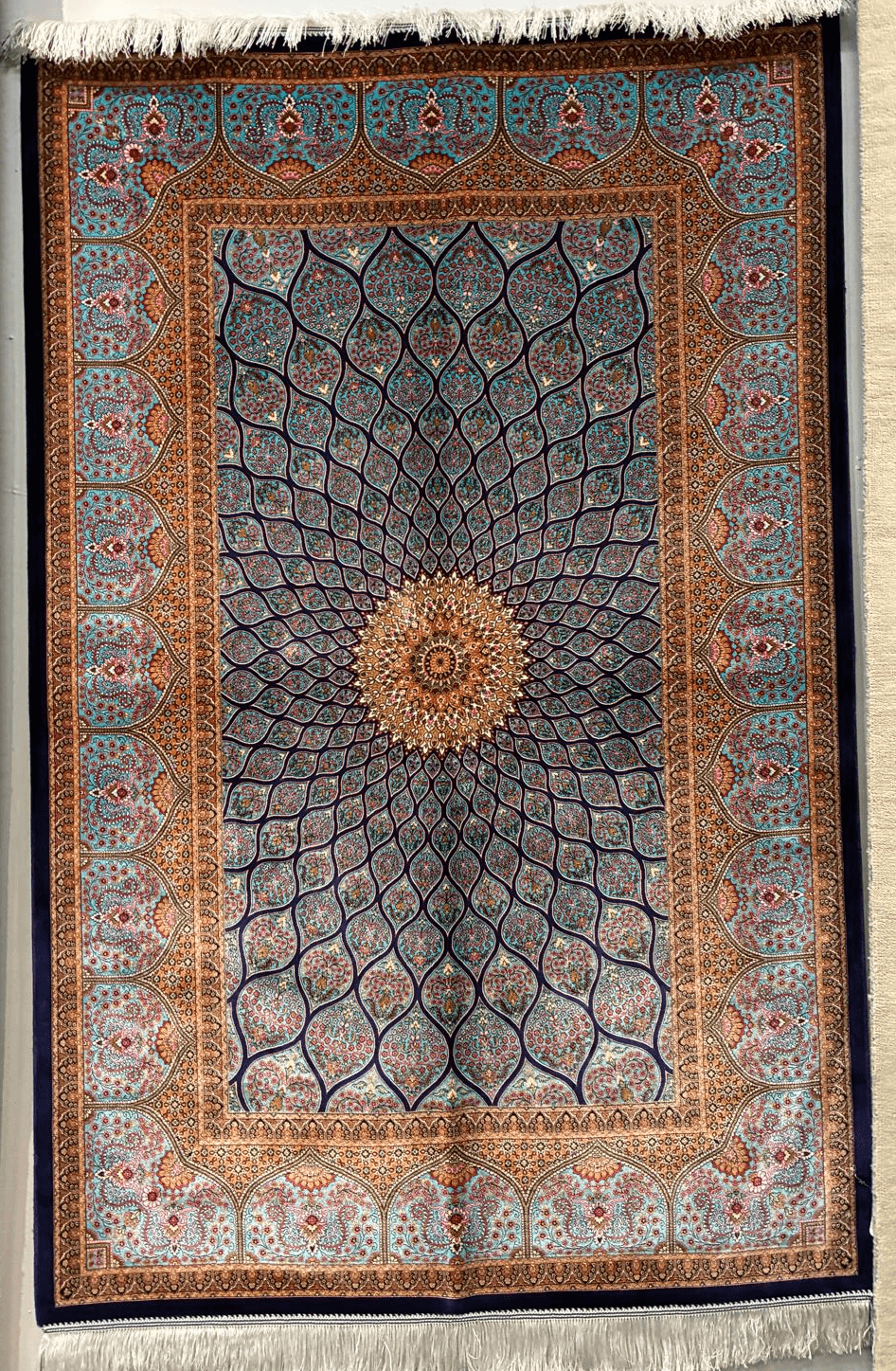
Most people who own a Persian rug don't think about it as a financial asset. They think of it as a beautiful object — something that anchors a room, carries a family memory, or represents a purchase they're proud of. But in 2026, with Iran at war and the global supply of authentic handmade Persian rugs facing serious long-term disruption, the rug on your floor may be worth considerably more than you realize — and considerably harder to replace if something happens to it.
What is happening in Iran
On February 28, 2026, the United States and Israel launched strikes on Iran, beginning a conflict that has rapidly become one of the most significant geopolitical disruptions in recent memory. The closure of the Strait of Hormuz has disrupted global trade Wikipedia and analysts expect Iran's economy to shrink by 10 percent due to the war. Wikipedia
Iran's major rug-weaving cities — Kashan, Tabriz, Isfahan, Kerman — are facing economic collapse. Weavers are not weaving. Workshops are not operating. The raw materials, the export infrastructure, and the economic stability that sustain handmade rug production have all been severely disrupted simultaneously.
The result is straightforward: the supply of new authentic Persian rugs entering the global market has dropped sharply, and is likely to remain constrained for years. The pieces that already exist — including the one on your floor — are becoming increasingly rare and increasingly difficult to replace.
Why this makes proper rug care more important right now
When a rug is irreplaceable, the cost of neglecting it goes up dramatically. This is true of any handmade rug, but it is especially true of Persian pieces right now.
The most common causes of serious rug damage are all preventable with proper care. Pet urine left untreated permanently damages wool fibers and natural dyes. Dirt and grit ground into the pile by foot traffic slowly cuts through the foundation from the inside. Moths — a real problem in Colorado homes — can destroy sections of pile completely if an infestation is not caught early. Improper cleaning, including steam cleaning or harsh chemical treatment, can fade colors and weaken fibers irreversibly.
A professional hand-wash cleaning every one to three years addresses all of these issues at the source. It removes embedded soil before it causes structural damage. It eliminates the odors and residues that attract moths. It restores the natural oils in wool that keep fibers strong and supple. And it gives a trained eye the opportunity to inspect the rug for early signs of wear, fringe damage, or foundation weakening before they become serious problems.
What we do at Expert Rug Cleaning
We specialize in professional hand-wash cleaning for Persian, Oriental, tribal, and all natural fiber rugs. Our full submersion process reaches every layer of the rug — pile, foundation, and weft — using pH-balanced, fiber-safe solutions that protect natural dyes and wool fibers.
We treat every rug as the irreplaceable object it is. That has always been our approach. In the current environment, it feels more important than ever.
If you have a Persian rug — or any handmade piece — that is overdue for a professional cleaning, or if you simply want an honest assessment of its condition, bring it in. We are always happy to take a look and give straightforward advice.