Sheepskin Rug Cleaning in Boulder: What You Need to Know Before You Try It at Home
Sheepskin rugs are one of those pieces people fall completely in love with — and then have absolutely no idea how to clean. Soft, warm, and naturally beautiful, they bring something into a home that almost nothing else does. But they are also one of the most technically demanding textiles to clean correctly. A sheepskin rug is not a pile rug, not a flatweave, not a synthetic — it is a natural hide with live wool attached. Two completely different materials, each with its own requirements, each capable of being damaged in its own specific way. At Expert Rug Cleaning in Boulder, we are expanding our specialist services to include sheepskin rugs — here's what the process involves, why home cleaning so often goes wrong, and how we do it right.
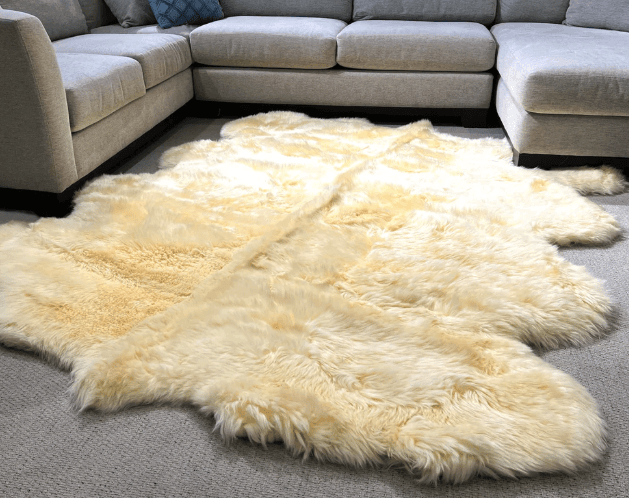
Sheepskin rugs are one of those pieces that people fall completely in love with — and then have absolutely no idea how to clean.
Soft, warm, luxurious underfoot, and naturally beautiful in any space — a genuine sheepskin rug brings something into a home that almost nothing else does. But they are also one of the most technically demanding textiles to clean correctly. And the consequences of getting it wrong — a stiff, shrunken, yellowed, or permanently matted rug — are visible, immediate, and in most cases irreversible.
We are expanding our cleaning services at Expert Rug Cleaning to include sheepskin rugs, and we want to be upfront about what that means. Sheepskin is unlike anything else we clean. It is not a pile rug. It is not a flatweave. It is not a synthetic. It is a natural hide with live wool attached — two completely different materials bonded together, each with its own requirements, each capable of being damaged in its own specific way.
Here's everything you need to know.
What Makes Sheepskin So Different
Every other rug we clean — Persian, tribal, Moroccan shag, Navajo flatweave — is a textile. Woven fibers on a foundation. Sheepskin is something fundamentally different: it is a tanned animal hide with wool still attached. That distinction changes everything about how it must be cleaned.
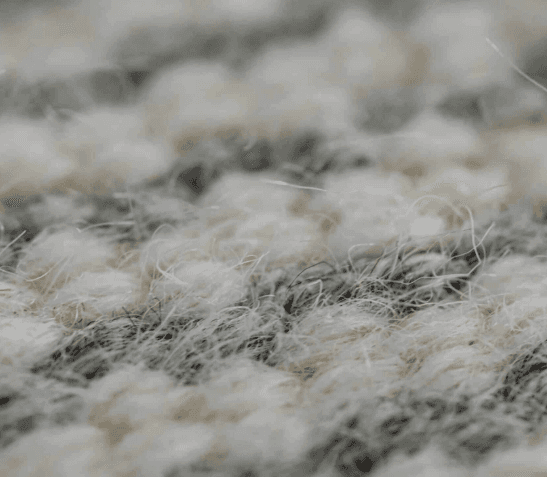
The wool side behaves much like any natural wool fiber — it responds to pH-balanced, enzyme-free cleaning solutions, it can matt and felt if agitated too aggressively, and it needs to be brushed back to life after washing. All familiar territory for us.
The leather side is the wild card. The leather backing of a sheepskin rug will harden and become brittle with excessive heat or harsh chemicals. Water temperature, drying method, and the chemistry of whatever cleaning solution you use all affect the leather directly. Get any of those wrong and the backing stiffens, cracks, or shrinks — and a shrunken leather hide cannot be stretched back. The damage is permanent. Cherry's Cache
This is why sheepskin cleaning is genuinely specialist work. You are not cleaning one material. You are simultaneously cleaning two completely different ones — wool and leather — that require different conditions and respond differently to every variable in the process.
What Happens When People Try It at Home
The most common home cleaning mistakes we see with sheepskin rugs — and the damage they cause:
Hot water. Excessive heat causes the leather to shrink and harden. Water temperature must be kept cool — no hotter than 30 degrees Celsius — and the rug must never be force dried or tumble dried. A sheepskin rug run through a standard washing machine in warm water often comes out a fraction of its original size with a leather backing that feels like cardboard. Khorasan Rugs
Wrong detergent. Never use traditional detergents on sheepskin — the enzymes can damage the wool and destroy the leather backing. Most household detergents, fabric softeners, and even many "gentle" cleaners contain enzymes or alkaline compounds that strip the natural lanolin from the wool and break down the tanning chemistry in the leather. The rug may look clean and then fall apart over the following weeks. SheepskinShop
Machine washing and tumble drying. Washing machines create agitation and spin forces that stress the leather backing and tangle the wool. Dryers add heat that can shrink and harden the hide. Even a delicate cycle generates more mechanical force than sheepskin leather can safely tolerate. We've seen machine-washed sheepskins come out with completely felted wool — a solid, matted mass where soft fleece used to be — and leather so stiff it crackles when bent. Modernistic
Drying incorrectly. Sheepskin rugs should be flat or line dried only — never in direct sunlight, never near a heat source. The leather backing should be pulled back into its original size and shape while still damp. A sheepskin that dries folded, bunched, or in a warm room will dry in whatever shape it happens to be in. And leather holds its shape once dry. Wikipedia
Not brushing during and after drying. We recommend brushing with a wire-bristled carding brush once while the rug is damp and then again when completely dry. Wool that dries without brushing mats and curls — sometimes permanently. The brushing step is what brings the fleece back to its natural soft, lifted character. Wikipedia
How We Approach Sheepskin Cleaning
Sheepskin is new territory for us, and we're building our process carefully and honestly. Here's the approach we're developing — rooted in the same principles that have guided our work with every specialist textile we've taken on over the years.
Full inspection first. We assess the hide condition, the wool quality, the degree of soiling, and any existing damage before anything else. A sheepskin with a compromised leather backing needs a different approach than a lightly soiled one in perfect condition. We don't apply a one-size-fits-all process to any rug, and sheepskin is no exception.
Cool water, specialist chemistry. The cleaning solution must be pH neutral and enzyme-free — specifically formulated for wool and sheepskin — to avoid stripping lanolin from the wool or damaging the leather tanning. We use only solutions appropriate for the specific piece in front of us. Cowhide Rugs
Gentle flat washing. The same flat-washing approach we use for Moroccan shag rugs applies here — keeping the hide flat, working gently through the wool, and avoiding any aggressive agitation that could stress the leather or felt the fleece.
Moisture extraction and controlled drying. Getting the moisture out efficiently and safely is critical. We use our centrifuge to remove bulk water before drying begins — reducing the time the leather spends saturated and minimizing the risk of stiffening. Drying is done flat, in controlled conditions, away from direct heat and sunlight.
Stretching and shaping while damp. While damp, the leather must be massaged and stretched back to its original shape before it sets. This is hands-on work that requires attention and timing — and it's the step that most home cleaning attempts skip entirely, because most people don't know it needs to happen. Wikipedia
Grooming with specialist brush. Once dry, every sheepskin gets brushed with our specialist brush — working through the wool to restore its natural softness, lift, and direction. Don't be alarmed if the wool appears curly after washing — this is its natural state, and brushing brings back the soft appearance you're familiar with. SheepskinShop
Everyday Care for Your Sheepskin Rug
Between professional cleanings, here's how to keep your sheepskin looking its best:
Shake it regularly. Take it outside and shake it to release dust and surface debris. This is the single most effective everyday maintenance habit for a sheepskin rug.
Brush it gently. Regular brushing and shaking will help maintain and restore the natural soft appearance. Use a suction-only vacuum attachment — never a rotating brush head. A wire-bristled pet brush or carding brush works perfectly for routine grooming between cleans. Cherry's Cache
Blot spills immediately. Address spills as soon as possible — blotting, not rubbing, keeps the stain near the surface where it can be safely lifted. Work from the outside of the spill inward. For anything beyond a small water spill, call us before attempting home treatment. Modernistic
Keep it out of direct sunlight. A sheep's natural wool color is closer to grey than bright white and has a tendency to yellow with prolonged UV exposure. This process can be slowed by reducing direct sunlight contact. In very sunny rooms, rotate the rug regularly or use window treatments during peak hours. Cowhide Rugs
Never use bleach, enzymes, or fabric softeners. Bleach, harsh solvents, and enzyme-heavy cleaners damage the natural lanolin in the wool and break down the leather backing. If you're unsure about a product, don't use it. Call us instead. Modernistic
Bringing Sheepskin Into Our Services
We are adding sheepskin rug cleaning to our specialist services here in Boulder, and we're doing it the right way — carefully, with full transparency about what the process involves and what the realistic outcomes are.
Sheepskin is not a rug we rush. It is not a rug we hand off to a standard process. Every piece will be assessed individually, cleaned with chemistry appropriate for hide and wool, dried in controlled conditions, and groomed back to its natural character before it leaves our shop.
If you have a sheepskin rug that needs attention — or if you have questions about whether professional cleaning is right for your specific piece — bring it in or give us a call. We'll give you an honest assessment and take it from there.