Rug Pads: Why the Right Padding Makes All the Difference for Your Rugs and Your Floors
Most people think of a rug pad as an afterthought — something to keep the rug from sliding. But the right rug pad does far more than that. It protects your floors, extends the life of your rug by years, and keeps your home healthier. The wrong one does the opposite. Here is what you need to know — and why we offer custom cut pads for every size and shape.

Why rug pads matter more than most people realize
A rug sitting directly on a hard floor — hardwood, tile, stone, or laminate — is in a slow, constant state of damage. Every step grinds the foundation of the rug against the hard surface beneath it. The grit and dust that settles under the rug acts like sandpaper, working against the warp and weft threads with every footfall. Over months and years, this abrasion weakens the foundation from the back — and by the time you notice it on the surface, significant structural damage has already been done.
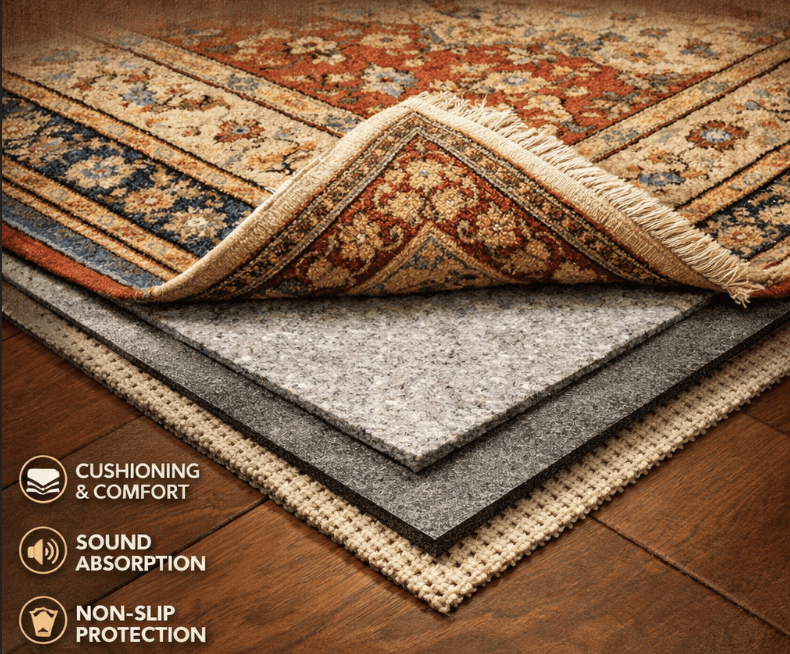
A quality rug pad eliminates this entirely. It creates a cushioned, stable layer between the rug and the floor — absorbing the impact of foot traffic, preventing the grinding motion that causes foundation wear, and keeping the rug from shifting and bunching in ways that create trip hazards and uneven wear patterns.
This is not a luxury feature. It is basic rug care.
What a good rug pad actually does
Beyond the obvious anti-slip function, a quality rug pad does several things that most homeowners never think about.
It protects your floors. Rugs without pads can trap grit between the rug backing and the floor surface. On hardwood especially, this acts like sandpaper every time someone walks across the rug — scratching and dulling the finish over time. A rug pad keeps the rug elevated slightly off the floor surface, preventing this entirely.
It extends rug life significantly. The cushioning a good pad provides absorbs the compression of foot traffic before it reaches the rug fibers. This means less pile crush, less fiber stress, and a rug that looks fuller and fresher for far longer. We routinely see the difference in rugs that come in for cleaning — the ones that have been on quality pads for years look noticeably better than those that have been sitting directly on hard floors.
It improves air circulation. A rug flat on a hard floor with no pad creates a sealed environment underneath — trapping moisture, dust, and allergens that have nowhere to go. A pad lifts the rug slightly and allows air to circulate beneath it, which reduces the conditions that attract mold, mildew, and dust mites.
It makes cleaning more effective. A rug on a good pad responds better to vacuuming because the pad provides a slight resistance that allows the vacuum to lift more soil from the pile. A rug lying completely flat on a hard surface with no cushioning beneath it is much harder to clean effectively.
Why most standard rug pads are not good enough
Walk into any big box store and you will find rug pads made from PVC, synthetic rubber, or cheap felt — often a combination of both. These materials have several serious problems that most people never discover until the damage is already done.
PVC and synthetic rubber pads off-gas chemicals over time. In a warm room or in direct sunlight, these chemicals can transfer to your floor finish — leaving yellow stains and residue that is very difficult to remove from hardwood. This is one of the most common and most frustrating floor damage issues we hear about from customers.
Cheap felt pads compress quickly and permanently. Within months of regular use, a low-quality felt pad loses its cushioning entirely and becomes a flat, hard layer that provides almost none of the protection it was supposed to. At that point you essentially have no pad at all — just an additional layer of material trapping dirt between the rug and the floor.
Many standard pads also become magnets for dust, debris, and allergens over time. The open-cell foam and loose felt fibers in cheap pads trap particulate matter deeply — and because most people never think to clean or replace their rug pad, this buildup accumulates for years under the rug.
Why our padding stays clean over time
Not all rug pads are created equal — and this is where the difference really shows.
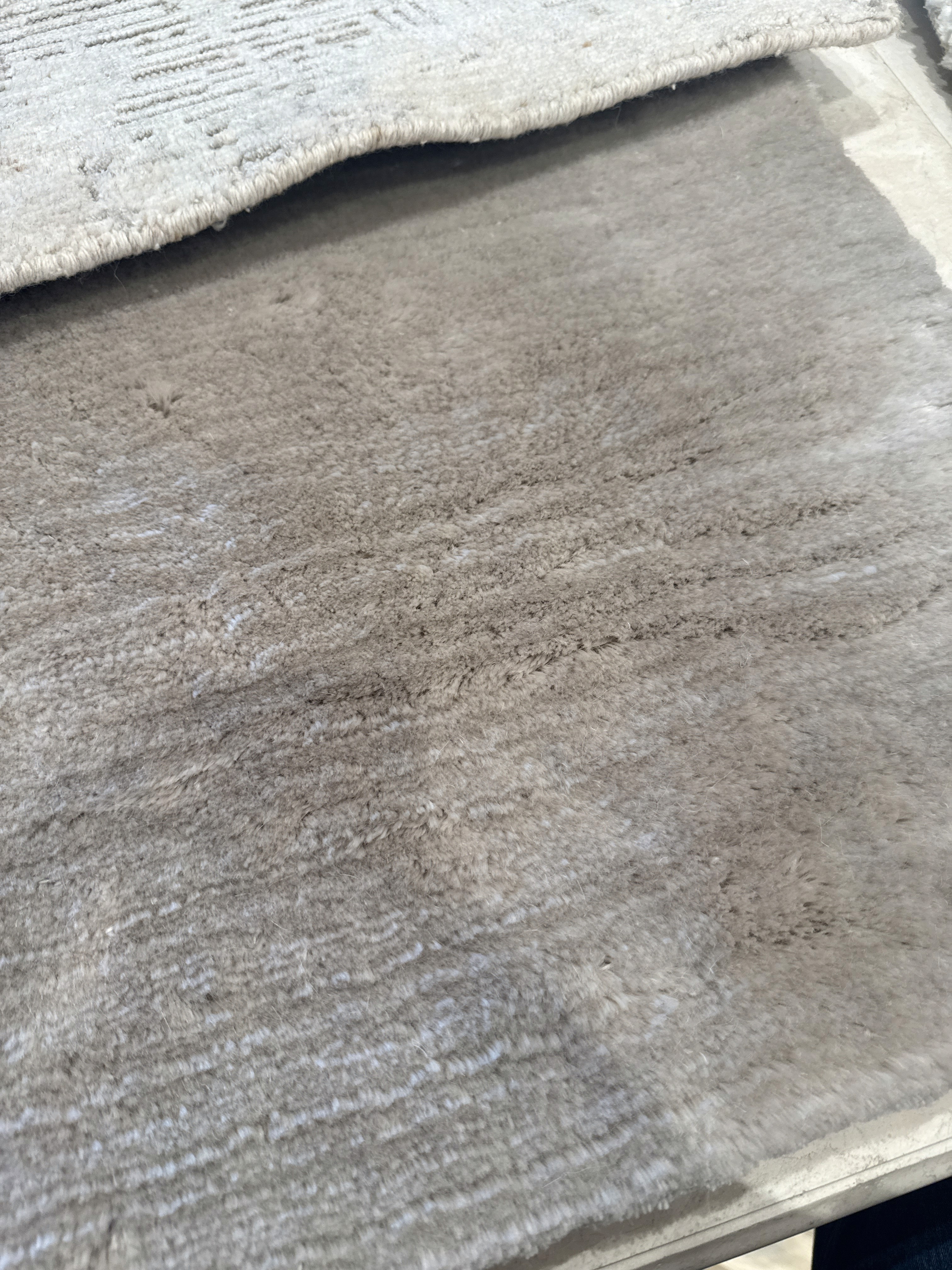
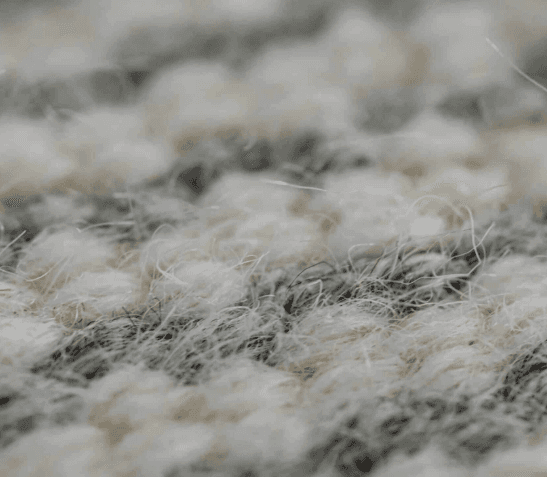
The pads we carry and recommend at Expert Rug Cleaning are made from natural materials — primarily natural rubber and felted wool or a combination of both. These materials do not off-gas, do not stain floors, and do not break down the way synthetic alternatives do.
Natural rubber grips both the floor and the rug backing without adhesives or chemicals. It stays flexible and effective for years. Felted wool padding provides genuine cushioning that does not compress permanently — it springs back. And crucially, natural fiber pads do not trap and hold dust the way synthetic open-cell foam does. The dense, flat structure of quality natural pads resists dust accumulation rather than inviting it.
The result is a pad that continues to protect your rug and your floor years after a cheap synthetic alternative would have failed.
Custom cut pads for every size and shape
One of the most common reasons people skip the rug pad entirely is that they cannot find one that fits. Standard retail sizes almost never match the actual dimensions of a handmade rug — and a pad that is too large bunches under the edges, while one that is too small leaves the corners and borders of the rug unprotected.
We cut rug pads to the exact dimensions of your rug. Any size, any shape — including round rugs, runners, and irregular custom shapes. A pad cut precisely to your rug's dimensions sits perfectly flat, protects the entire surface evenly, and is completely invisible once the rug is in place.
If you are dropping off a rug for cleaning, bring the measurements or bring the rug itself and we will cut a pad to fit on the spot.
When to replace your rug pad
A quality natural rubber and wool pad should last 5 to 10 years under normal use. Signs that it is time to replace yours include visible compression with no spring-back, an odor coming from under the rug, any yellowing or staining on your floor surface, or a pad that has started to crumble or shed material.
If you are not sure when your pad was last replaced — or if you have never had one — now is a good time to address it. Bring your rug in for a cleaning and we will assess the pad situation at the same time.