Rug Cleaning vs Carpet Cleaning — Why the Difference Could Cost You Thousands
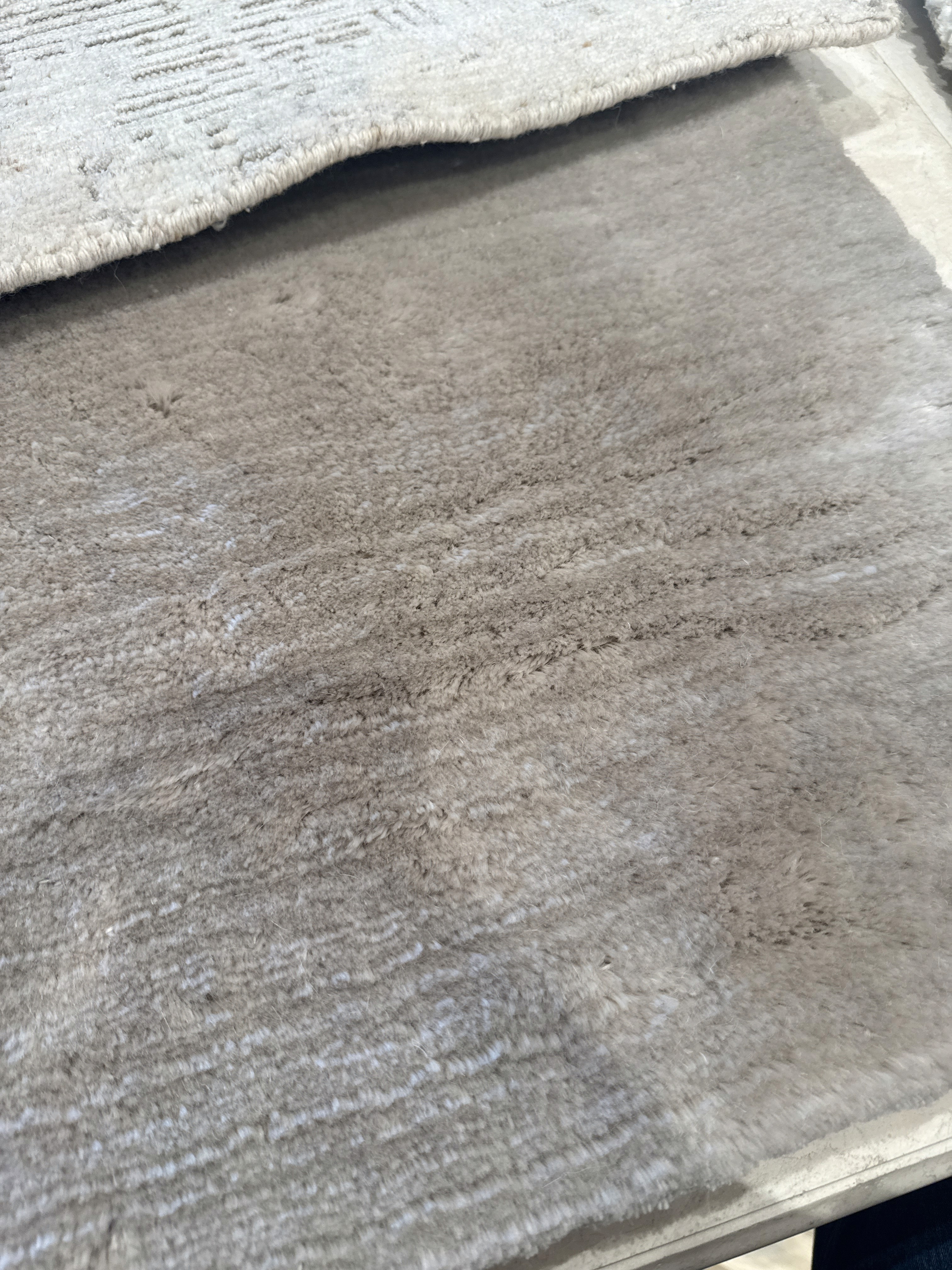
Every week someone calls us after it already happened. They had a Persian rug worth $3,000. They called their carpet cleaner — the same company that does their wall-to-wall every year. The carpet cleaner came, cleaned the rug in place, and left. Now the red has bled into the cream field. The pile feels harsh and matted. There's a musty smell that wasn't there before. We see this every week in Boulder. And every time it was entirely preventable. Rug cleaning and carpet cleaning are not the same thing. They are not variations of the same process. They are fundamentally different disciplines — different chemistry, different equipment, different technique — and applying one to the job of the other produces results that range from disappointing to catastrophic. Here's exactly why.

Every week someone calls us after it already happened.
They had a Persian rug. A tribal kilim. A hand-knotted wool piece worth $2,000 or $4,000 or more. They called their carpet cleaner — the same company that does their wall-to-wall every year, the one with the truck and the hose and the good reviews on Google. The carpet cleaner came, cleaned the rug in place, and left.
And now the rug has problems it didn't have before.
The red has bled into the cream field. The pile feels harsh and slightly matted. There's a musty smell that wasn't there before. The fringe looks worse than it did. The foundation has a slight buckle that wasn't there before.
We see this every week in Boulder. And every time, it was entirely preventable.
The issue is simple. Rug cleaning and carpet cleaning are not the same thing. They are not variations of the same process. They are fundamentally different disciplines — different chemistry, different equipment, different technique, different philosophy — and applying one to the job of the other produces results that range from disappointing to catastrophic.
Here's exactly why.
What Carpet Cleaning Actually Is
Let's start with an honest description of what carpet cleaning is designed to do — because it's genuinely good at its job. Just not your job.
Carpet cleaning — specifically hot water extraction, which is what the industry calls "steam cleaning" — is designed for synthetic wall-to-wall carpeting. Nylon. Polyester. Polypropylene. The broadloom that covers the floors of most American homes and commercial spaces.
Synthetic fibers are chemically inert. They don't react to alkaline cleaning solutions. They don't bleed dye. They don't shrink or felt under heat. They don't have a protein structure that degrades under alkaline conditions. They are, from a cleaning chemistry perspective, robust and forgiving.
So carpet cleaning uses robust, forgiving chemistry. Alkaline solutions — typically pH 9 to 12 — that cut through the oils and soils on synthetic fiber quickly and efficiently. Hot water that opens the fiber structure and releases soil. High-pressure extraction that pulls the dirty water back out. The whole system is optimized for speed, efficiency, and performance on synthetic broadloom.
It works extremely well. On synthetic broadloom.
Then the carpet cleaner rolls up to a house with a hand-knotted Persian rug on the floor. And they do exactly what they always do. Because it's what they know. And because most of them genuinely don't know it's wrong for your rug.
What Hand-Knotted Rugs Actually Are
A hand-knotted Persian or Oriental rug is not carpet. It is a textile — a woven object made from natural protein fibers, dyed with chemistry that has specific pH tolerances, constructed with a technique that has specific structural vulnerabilities, and built to last for decades or centuries under the right care conditions.
Every one of those characteristics is incompatible with standard carpet cleaning.
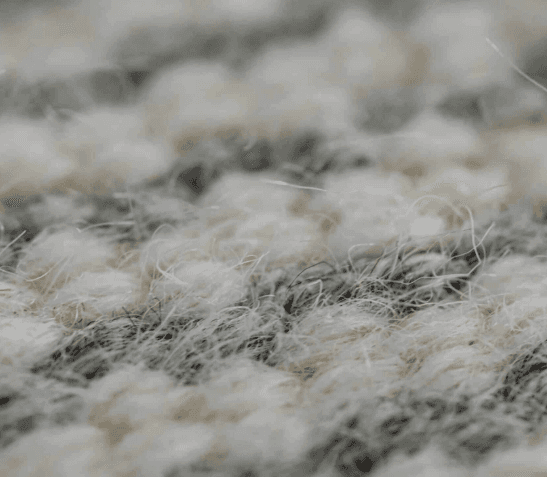
The fiber is wool or silk — not synthetic. Wool is a protein fiber with a scaled outer cuticle. That cuticle structure is what gives wool its natural resilience, its soil-release properties, and its characteristic texture. Wool degrades in alkaline conditions — the alkalinity breaks down the protein structure of the fiber, causing the cuticle scales to lift, interlock, and felt — producing a harsh, matted surface that cannot be undone. Wall-to-wall carpet tolerates higher pH and heat — wool fiber-specific, pH controlled cleaning must be dye-tested first. lnmcleaners
The dyes are natural or chemically specific. Natural dyes — madder for reds, indigo for blues — are stable only within narrow pH and temperature ranges. Cleaning methods engineered for wall-to-wall polyester carpet simply do not translate to hand-knotted construction. Alkaline chemistry bleeds natural dyes. The red that bleeds into the cream field after a carpet cleaning is not a defect in the rug. It is the predictable result of applying alkaline chemistry to a dye that was never designed to tolerate it. ahmadirug
The foundation is structural. A hand-knotted rug has a cotton or wool foundation — warp and weft threads that form the structural backbone on which every knot was tied. Cotton foundations are particularly vulnerable to water damage. An Oriental rug, especially a large or densely knotted one, can remain damp in its foundation for days after a steam cleaning — even if the surface feels dry to the touch. A foundation that stays wet for days develops mold, foundation rot, and structural degradation that no subsequent cleaning reverses. renaissancerugportland
It cannot be cleaned in place. The distinction comes down to one thing: carpet has to be cleaned where it sits, and a rug doesn't. Everything else — the equipment, the chemistry, the water, the drying — follows from that. A rug cleaned in place cannot be properly rinsed — the cleaning solution stays in the foundation. It cannot be properly dried — the floor beneath it traps moisture. It cannot be properly inspected — the underside is inaccessible. Every limitation of in-place cleaning compounds on a hand-knotted rug. lnmcleaners
The Specific Ways Carpet Cleaning Damages Rugs
We've seen every category of damage that results from carpet cleaning applied to hand-knotted rugs. Here's what actually happens and why.
Dye bleeding. Standard steam cleaning methods often use extremely hot water combined with aggressive chemicals. This can cause reds, blues, and darker tones to bleed into lighter areas of the rug. Once dye migration occurs, the damage can be permanent. We see this most often in Afghan tribal rugs from the 1980s and 1990s — pieces with dye stability issues that would have been identified in a pre-wash dye test and handled with appropriate chemistry. A carpet cleaner doesn't test dyes. They apply the same solution to every fiber they encounter. orientalrugsalon
Fiber damage and felting. The alkaline chemistry and heat of standard carpet cleaning causes wool's protein structure to degrade. The cuticle scales that give wool its texture lift, interlock, and mat together — a process called felting — that produces a harsh, flat surface where soft, resilient pile used to be. This process is irreversible. A felted rug cannot be unfelted.
Foundation saturation and mold. Carpet cleaning equipment is designed to extract water from the relatively thin, open structure of synthetic broadloom — which dries in a few hours. A hand-knotted wool rug on a cotton foundation holds water in its foundation for days after a carpet cleaning. That saturated foundation develops mold and mildew that produces persistent odor and structural degradation. The surface feels dry. The foundation is still wet. And growing.
Chemical residue. Carpet cleaners that aren't rinsed out completely leave behind a sticky film that becomes a magnet for dirt. In-place cleaning cannot achieve the thorough rinsing that a full immersion wash provides. The alkaline residue left in the foundation after a carpet cleaning attracts new soil rapidly — a rug that was cleaned in place often looks dirtier six weeks later than it did before cleaning. chemdry
Fringe damage. The fringes of a Persian or Oriental rug are the first areas to show signs of heavy soiling. Unfortunately, in-home carpet cleaners rarely clean fringes correctly. Fringe on a hand-knotted rug is structural — the exposed ends of the warp threads that form the rug's foundation. Aggressive cleaning or extraction at the fringe end damages the warp threads and accelerates fraying that works backward into the body of the rug. orientalrugsalon
Foundation distortion. A cotton foundation rug that dries unevenly after in-place cleaning develops a wave or buckle as the cotton contracts at different rates across the rug. This distortion often becomes permanent — the rug lies flat while wet but buckles as it dries and then won't lie flat again.
What Professional Rug Cleaning Actually Involves
The professional rug cleaning process — the one we use at Expert Rug Cleaning in Boulder — is designed from the ground up for hand-knotted natural fiber textiles. Every step is different from carpet cleaning. Every step is different for a reason.
The rug comes off the floor. This is step one and it changes everything. Off the floor means we can access both sides. We can inspect the foundation. We can rinse thoroughly. We can dry in controlled conditions. Rug cleaning treats an area rug as a standalone textile — it comes off the floor, gets dusted to pull out dry soil, gets dye-tested, then washed with chemistry matched to its fiber, rinsed, and dried under controlled conditions. renaissancerugportland
Dye testing before any water. Every color in the rug is tested for stability before the wash begins. This single step — which carpet cleaners never perform — is what prevents dye bleeding. If a color is unstable, we know before we start and adjust our process accordingly.
pH-appropriate chemistry. We use cleaning solutions formulated specifically for wool and silk — pH-neutral to mildly acidic, the range in which natural fiber dyes are stable and wool's protein structure is protected. Nothing alkaline touches a natural fiber rug in our shop.
Full immersion washing. The rug is washed flat, completely, by hand — working the solution through the pile and into the foundation, then rinsing with multiple cycles until the water runs completely clear. This is the only method that achieves genuine foundation cleaning — removing the biological and chemical load that surface cleaning never reaches.
Centrifuge extraction and controlled drying. We use a professional centrifuge to remove bulk moisture before drying — getting the foundation to a safe moisture level quickly, preventing the extended saturation that causes mold and foundation rot. Then flat drying in controlled conditions, monitored until completely dry.
Fringe care. We clean fringe separately, with appropriate chemistry and technique. Fringe comes back clean and intact — not frayed, not matted, not damaged by aggressive extraction.
The result is a rug that is genuinely clean — foundation to surface — and returned to you in better condition than it arrived.
How to Tell the Difference When You're Hiring
Not everyone who markets themselves as a "rug cleaner" is one. Here are the questions to ask.
Do you hand wash or machine extract? Hand washing is appropriate for hand-knotted natural fiber rugs. Machine extraction — hot water extraction, steam cleaning — is not. If the answer is machine extraction, they are a carpet cleaner regardless of what they call themselves.
Do you test dyes before cleaning? A professional rug cleaner tests every color before any water touches the rug. If the answer is no, dye bleeding is a risk they're not managing.
Where do you clean the rug? In your home or in their facility? In-place cleaning cannot achieve the rinsing, inspection, and drying control that a proper rug cleaning facility provides. In-home cleaning with steam cleaning and hot water extraction is best suited to synthetic wall-to-wall carpet — not appropriate for handwoven wool or silk Oriental rugs. renaissancerugportland
What chemistry do you use? The answer should reference pH-neutral or mildly acidic solutions formulated for natural fiber. If the answer is a brand name carpet cleaning product, that's a carpet cleaner.
What It Costs to Get It Wrong
The damage carpet cleaning does to a hand-knotted rug is rarely immediately visible. The rug comes back looking superficially cleaner while the fundamental structure has been quietly damaged. We see Oriental rugs in our workshop every week that were run through carpet-cleaning equipment. The damage is often invisible on the day of the wash and becomes obvious weeks later — flattened pile, bled dyes, musty foundation odor. ahmadirug
By the time the damage is obvious, the carpet cleaner is long gone. The rug's value has been diminished. And the repairs — if they're even possible — cost far more than professional rug cleaning would have.
A Persian rug worth $3,000 that loses 40% of its value from dye bleeding and fiber damage loses $1,200 of value from a cleaning that cost $150. The math of using the wrong service is catastrophic.
Professional rug cleaning in Boulder — done properly, at our facility, with appropriate chemistry — costs between $80 and $200 depending on size. That is the cost of protecting a significant investment. It is not optional for a hand-knotted rug.
We Are Boulder's Professional Rug Cleaning Specialist
At Expert Rug Cleaning, professional rug cleaning — not carpet cleaning — is all we do. Every rug that comes through our door gets individual assessment, dye testing, hand washing with pH-appropriate chemistry, thorough rinsing, centrifuge extraction, and controlled drying.
If your carpet cleaner has offered to clean your rug — call us first. If your rug has already been cleaned by a carpet cleaner and something doesn't look right — bring it in. We'll assess honestly what happened and what, if anything, can be done.