How to Care for a Navajo Flatweave Rug — A Story from Our Shop Floor
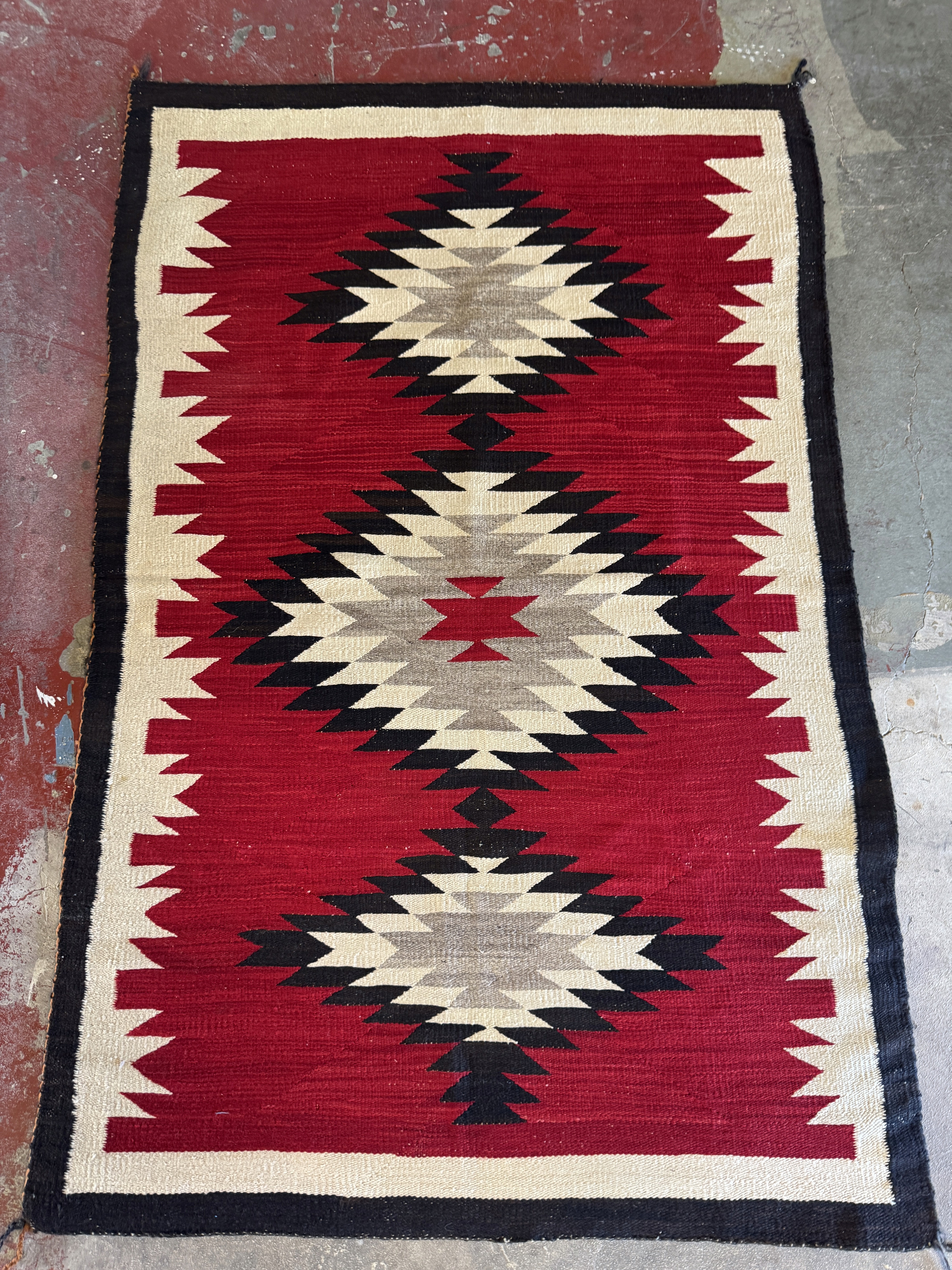
Every so often a rug comes in that reminds us exactly why we do this work. This Navajo flatweave arrived at our Boulder shop recently — deep crimson vegetable-dyed wool, bold tribal geometry, and a condition that stopped us in our tracks. It had spent years in a cedar chest, and it showed. Tight, vibrant, and intact. A $3,000+ piece that had been cared for exactly right. Here's what proper Navajo rug care actually looks like — and how to make sure yours stays this beautiful.

How to Care for a Navajo Flatweave Rug — A Story from Our Shop Floor
Expert Rug Cleaning | 4919 Broadway St, Suite 8, Boulder, CO 80304 | 970-970-0070
Every so often a rug comes in that reminds us exactly why we do this work.
This Navajo flatweave arrived at our Boulder shop recently, and before we even got to the inspection table, it had already earned a long look. The field is a deep, saturated crimson — vegetable-dyed, the traditional way — surrounded by bold geometric patterning in cream, charcoal, and soft grey. Black outer border, serrated inner edge, stacked diamond medallions running the full length of the rug. Classic Navajo design language, executed with real confidence.
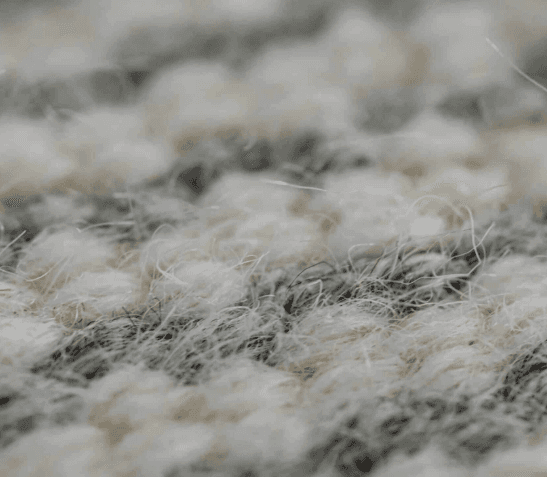
And the condition? Exceptional. This piece spent years stored in a cedar chest, which turns out to be one of the most effective things you can do for a wool textile. Cedar is a natural moth deterrent. It doesn't damage fibers, doesn't leave residue, and keeps insects at bay season after season. The wool on this rug is tight, the colors are rich, and the flatweave structure is as sound as the day it was made.
When a rug comes in looking like this, our job is simple: clean it gently, inspect it carefully, and send it back out into the world ready for another few decades of life.
But rugs like this don't always arrive in such good shape. More often, we see Navajo weavings that have been loved hard and cared for incorrectly — vacuumed when they shouldn't have been, stored without protection, or left rolled in a basement where moths found them first.
So let's talk about what proper care actually looks like.
The Right Way to Care for a Navajo Flatweave
Never Vacuum It
This is the big one. Navajo rugs are flatwoven — meaning there's no pile, no cushion, just tightly interlocked warp and weft. A vacuum cleaner's suction and brush roll can stress those fibers, pull at the edges, and over time cause real structural damage.
Instead, take the rug outside and shake it. A good firm shake releases dust and debris without putting any mechanical stress on the weave. Do this a few times a year, or whenever the rug looks like it needs it. Fresh air and physical movement are far gentler and far more effective than any vacuum attachment.
Always Use a Quality Pad
A flatweave has no pile to act as a cushion between the rug and the floor. Without a pad, the rug slides, the fibers abrade against hard flooring, and wear sets in much faster than it should. A good breathable, non-slip rug pad is not optional for a piece like this — it's essential. It protects the structure, keeps the rug in place, and adds years to its functional life.
If you're not sure what pad works best for your floor type, give us a call. We're happy to point you in the right direction.
Air It Out Regularly
Moths are the single biggest threat to wool rugs, and they thrive in exactly the conditions most rugs end up in — dark, still, undisturbed. The best prevention is simple: movement and fresh air. Bring the rug outside periodically, shake it out, let it breathe in the sunlight for an hour. Rotate it in the room so no section sits undisturbed for too long.
If you're storing a Navajo rug for any length of time, cedar is your ally. Cedar blocks, cedar-lined chests, cedar sachets — all of it works. Just remember to air the rug out before storing and make sure it's clean. Moths are far more attracted to soiled wool than clean wool, so professional cleaning before long-term storage is always a smart investment.
Bring It In for Professional Cleaning
Navajo flatweaves are wool, and wool requires specific handling. Hot water, harsh detergents, and machine washing are all off the table. Professional hand washing with pH-balanced solutions, gentle agitation, and careful drying is the right approach — and it makes a visible difference. Colors brighten, fibers relax, and years of embedded dust that shaking alone can't remove comes out of the foundation.
We recommend professional cleaning every two to four years for rugs in regular use, and before any long-term storage.
What Is a Rug Like This Worth?
A well-preserved vegetable-dyed Navajo flatweave with strong design and tight structure is a genuine collectible. Pieces like this one routinely sell for $3,000 and up in today's market — and that value only grows when the rug has been properly maintained. A rug that's been vacuumed, moth-damaged, or improperly stored loses value fast. One that's been cared for with intention holds it, and then some.
We've seen Navajo weavings come through our shop that were worth far less than they should have been simply because nobody knew how to care for them. That's a loss that didn't have to happen.
We Specialize in Rugs Like This One
At Expert Rug Cleaning here in Boulder, we handle Navajo weavings, Southwest flatweaves, kilims, and tribal textiles from across the world. Each one gets a thorough inspection, hand washing suited to the specific fiber and dye, moth treatment when needed, and careful drying and finishing before it goes home.
If you have a Navajo rug, a family heirloom, or any textile you're not sure how to care for — bring it in. We'll take a look, give you an honest assessment, and take care of it the way it deserves.