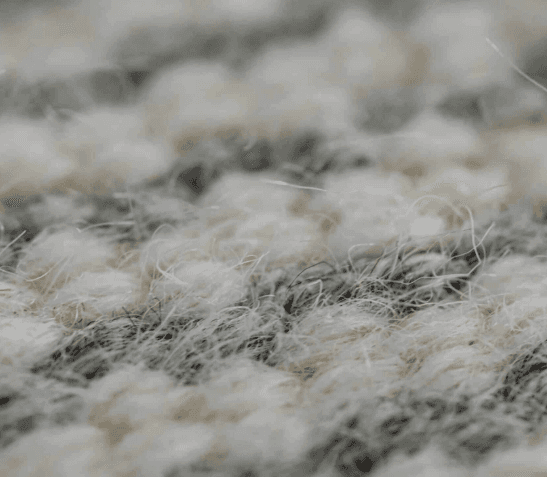
Do Cashmere Rugs Stop Shedding? What Boulder Rug Owners Need to Know
It is one of the most common questions we hear from clients who bring us a cashmere rug for the first time. Is all this shedding normal? And does it ever stop? The honest answers are yes — and mostly. Cashmere shedding is normal and does taper significantly over the first six to twelve months of regular use. But cashmere never fully stops shedding the way a tightly hand-knotted wool rug does. Understanding why tells you everything about how to care for one properly — and when to be concerned. Here’s the full picture, from why cashmere sheds to what construction determines how much, to how professional rug cleaning in Boulder actually helps.

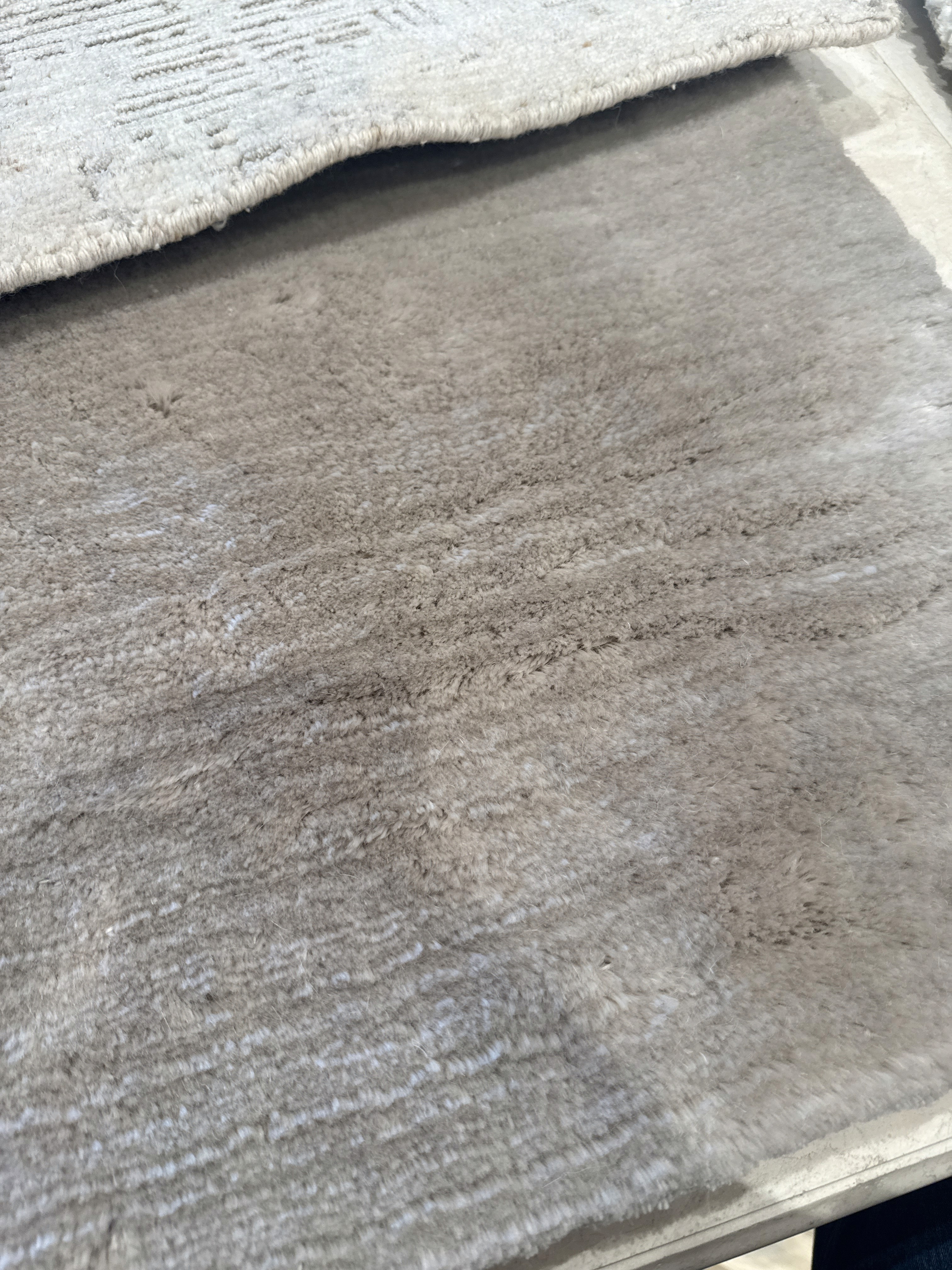
It’s one of the most common questions we hear from clients who bring us a cashmere rug for the first time.
“Is all this shedding normal? And does it ever stop?”
The honest answers are yes — and mostly. Cashmere rug shedding is normal, expected, and does taper significantly over time. But cashmere never fully stops shedding the way a tightly hand-knotted wool rug does. Understanding why tells you everything you need to know about how to care for one — and when to be concerned.
Why Cashmere Sheds
Cashmere comes from the fine undercoat of the cashmere goat — one of the softest natural fibers on earth. That extraordinary softness comes directly from the fiber’s characteristics: it is incredibly fine in diameter and relatively short in staple length compared to the wool used in most hand-knotted Persian and tribal rugs.
That short staple length is the source of the shedding. In a hand-knotted wool rug — a Persian tribal piece, a Kazak, an Afghan — the longer wool fibers lock tightly into the knot structure and hold firmly even under years of foot traffic. Cashmere fibers are shorter and finer. Not every fiber fully anchors into the pile during production. The loose ones work their way to the surface with use, foot traffic, and vacuuming — and come off as shed fiber.
This is not a defect. It is the nature of the material. The same quality that makes cashmere feel unlike anything else underfoot — that cloud-soft, impossibly fine texture — is the quality that makes it shed.
Does It Stop?
Yes — significantly. Most cashmere rugs shed heavily in the first few months of use as the loose surface fibers work their way out of the pile. By six to twelve months of regular use, shedding typically tapers to a much lower level. The rug is not losing structural fiber — it is releasing the fibers that were never fully anchored.
But cashmere never fully stops shedding the way a hand-knotted wool rug does. Some ongoing fiber release is a permanent characteristic of the material. How much depends on several factors.
What Determines How Much — and How Long
Construction is the biggest factor.
A hand-knotted cashmere rug sheds significantly less than a hand-tufted one — and holds its pile far longer over years of use. In a hand-knotted rug, each individual fiber is tied around the warp threads in a knot that mechanically anchors it into the foundation. The structure is inherently stable.
A hand-tufted cashmere rug is constructed differently. Fibers are punched through a canvas backing and held in place by a latex adhesive layer. The latex does the anchoring work that the knot does in a hand-knotted piece. As that latex ages — breaking down from heat, humidity, and use — it releases more fiber continuously. Hand-tufted cashmere rugs can shed persistently for years, and in some cases the shedding actually increases as the latex degrades rather than decreasing.
If your cashmere rug is still shedding heavily after twelve months of regular use — and especially if the shedding seems to be getting worse rather than better — it is worth having the construction assessed. The latex backing may be the issue.
Cashmere quality matters.
Not all cashmere is equal. Lower-grade cashmere uses shorter, less uniform fibers that shed more extensively and for longer than high-grade long-fiber cashmere. The finest cashmere — from the neck and underbelly of the goat, with longer, more uniform fibers — anchors into pile structure more securely and sheds less than lower-grade material from other parts of the animal.
Pile height amplifies shedding.
A high-pile cashmere rug sheds more than a low-pile one — simply because there is more fiber volume in the pile and more surface area for loose fibers to migrate through. A long-pile cashmere piece in the first year of ownership can produce what seems like an alarming volume of shed fiber. In most cases this is entirely normal.
How Professional Cleaning Helps
A professional cleaning after the first year of use does something that regular vacuuming cannot — it removes the embedded loose fiber load from deep in the foundation of the rug.
Vacuuming removes loose fibers from the surface of the pile. It does not reach the loose fibers that have migrated down through the pile and are sitting in the foundation, working their way up gradually over subsequent months. A full professional hand wash flushes these fibers out of the foundation completely — dramatically reducing the ongoing shedding that follows.
At Expert Rug Cleaning in Boulder, we clean cashmere rugs with pH-neutral solutions formulated for fine natural protein fibers. Cashmere requires the same careful chemistry as silk — gentle, cool water, no alkaline cleaning solutions, no mechanical agitation that would stress the fine fiber structure. The wrong chemistry on cashmere causes fiber damage that accelerates shedding rather than reducing it.
We also assess the construction of every cashmere rug that comes in — checking the backing for latex degradation, examining the pile density for areas of accelerated fiber loss, and identifying any issues that the owner needs to know about before they become worse.
What Not to Do
Never vacuum a cashmere rug with a beater bar. The rotating brush of a standard vacuum head is too aggressive for fine cashmere fibers — it pulls them out of the pile mechanically, accelerating shedding rather than managing it. Use suction only, on the lowest setting, with a gentle upholstery attachment.
Never steam clean a cashmere rug. The alkaline chemistry and high heat of standard carpet cleaning equipment damages cashmere fiber at the molecular level — causing accelerated shedding, loss of luster, and permanent texture change. This applies to all fine natural fiber rugs but is particularly critical for cashmere.
Don’t assume heavy shedding means a defective rug. In the first six to twelve months of ownership, significant shedding is normal for cashmere. Give it time. Maintain it properly. Have it professionally cleaned after the first year.
Do call us if shedding gets worse rather than better. Increasing shedding after the first year — especially in a hand-tufted piece — can indicate latex backing degradation that needs professional assessment.
Persian Rug Cleaning in Boulder — For Every Fiber Type
At Expert Rug Cleaning in Boulder, we clean cashmere rugs, silk rugs, wool rugs, and every natural fiber textile that comes through our door. Each one gets individual assessment, fiber-appropriate chemistry, and careful handling that respects what the material requires.
If you have a cashmere rug that is shedding more than you’d expect — or that has never been professionally cleaned — bring it in. Free assessment on every piece.